how to use canned strawberries
Discover how to use canned strawberries in cooking, diet, and meal planning—plus nutrition, safety, sustainability, and global culinary uses.
How to Use Canned Strawberries: A Comprehensive Guide
Canned strawberries are a convenient, shelf-stable pantry staple that often gets overlooked in favor of their fresh counterparts. However, they offer unique culinary advantages, consistent quality, and can be a surprisingly nutritious option when chosen wisely. This guide will explore the many ways to use canned strawberries, backed by nutritional science and practical culinary advice, to help you make the most of this versatile ingredient.
Understanding Canned Strawberries: Nutrition and Processing
Before diving into recipes, it’s crucial to understand what canned strawberries are and how they compare nutritionally to fresh ones. The primary difference lies in the packing liquid. Canned strawberries are typically packed in one of three ways:
Heavy Syrup: This is the sweetest option, containing a high concentration of added sugar.
Light Syrup: Contains less sugar than heavy syrup but still adds significant sweetness.
Juice (or 100% Strawberry Juice): Packed in their own juice or a blend of fruit juices, this is the healthiest option with no added sugars.
According to data from the USDA FoodData Central, the nutritional profile varies significantly based on the packing method. Here is a comparative analysis per 100 grams of edible portion:
| Nutrient (per 100g) | Fresh Strawberries | Canned in Heavy Syrup | Canned in Juice |
|---|---|---|---|
| Calories | 32 kcal | 96 kcal | 53 kcal |
| Total Carbohydrates | 7.7 g | 24.5 g | 13.3 g |
| Dietary Fiber | 2.0 g | 1.4 g | 1.8 g |
| Sugars | 4.9 g | 23.1 g | 11.5 g |
| Vitamin C | 58.8 mg | 4.5 mg | 15.0 mg |
| Potassium | 153 mg | 52 mg | 85 mg |
Source: USDA FoodData Central
This table reveals several key insights. While fresh strawberries are the clear winner in terms of vitamin C and potassium content, canned strawberries in juice retain a respectable amount of nutrients and are far superior to those packed in heavy syrup. The canning process involves heating the fruit to destroy microorganisms, which can degrade heat-sensitive vitamins like Vitamin C. However, other nutrients like fiber and minerals are more stable. The biggest nutritional drawback of syrup-packed varieties is the massive increase in added sugars and calories.
Practical Advice: For health-conscious cooking and baking, always opt for canned strawberries packed in their own juice or 100% fruit juice. If you only have syrup-packed berries, drain and rinse them thoroughly under cold water to remove a significant portion of the excess sugar before using.
Culinary Applications: From Breakfast to Dessert
The beauty of canned strawberries lies in their readiness. They are already soft, sweet, and pre-portioned, making them ideal for a wide array of dishes.
1. Breakfast Boosters
Starting your day with canned strawberries is effortless. Their soft texture makes them perfect for blending into smoothies, where they add natural sweetness and a vibrant pink color without the need for ice, which can dilute flavor. Simply combine drained canned strawberries with yogurt, a banana, and a handful of spinach for a nutrient-dense breakfast.
They are also a classic topping for hot or cold cereals like oatmeal or granola. The warm cereal gently heats the berries, releasing their aroma and creating a jam-like consistency. For a more decadent option, layer them with Greek yogurt and granola to create a quick and easy parfait.
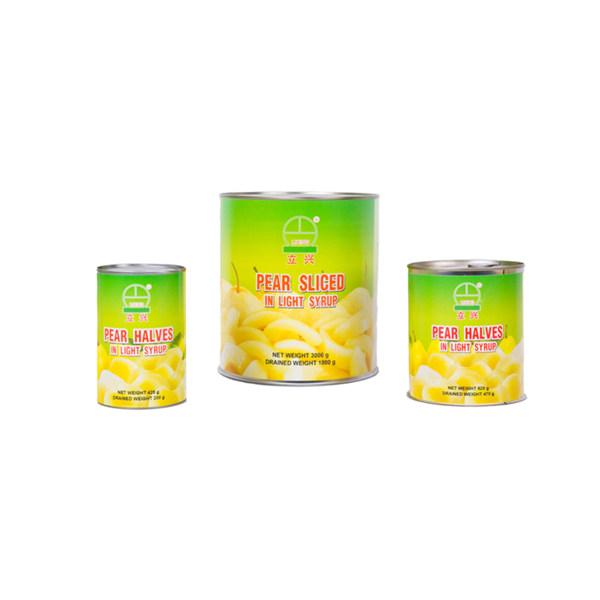
Learn about related products: 425g canned strawberry
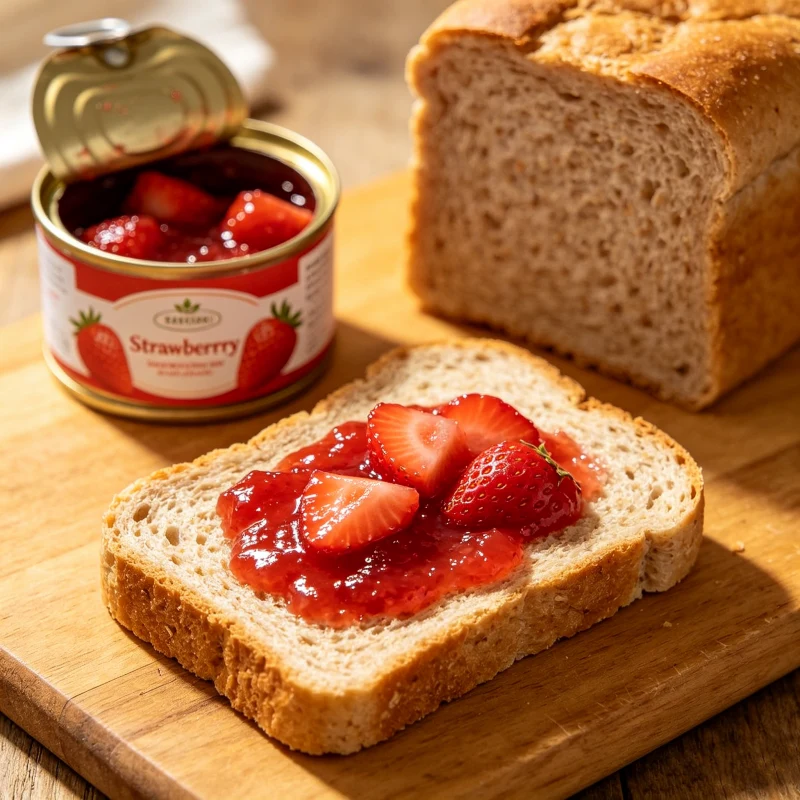
Canned strawberries can be eaten with breakfast.
2. Sauces, Toppings, and Fillings
This is where canned strawberries truly shine. Their soft flesh breaks down easily into a smooth sauce with minimal effort. To make a simple dessert sauce, simmer a can of drained strawberries (in juice) with a teaspoon of cornstarch mixed with a little water until thickened. This sauce is perfect over ice cream, pancakes, waffles, or cheesecake.
For baked goods, canned strawberries can be used as a filling for tarts, thumbprint cookies, or even a strawberry swirl in a pound cake. Because they contain more moisture than fresh berries, it’s important to drain them very well and pat them dry with a paper towel before folding them into batters to prevent a soggy final product.
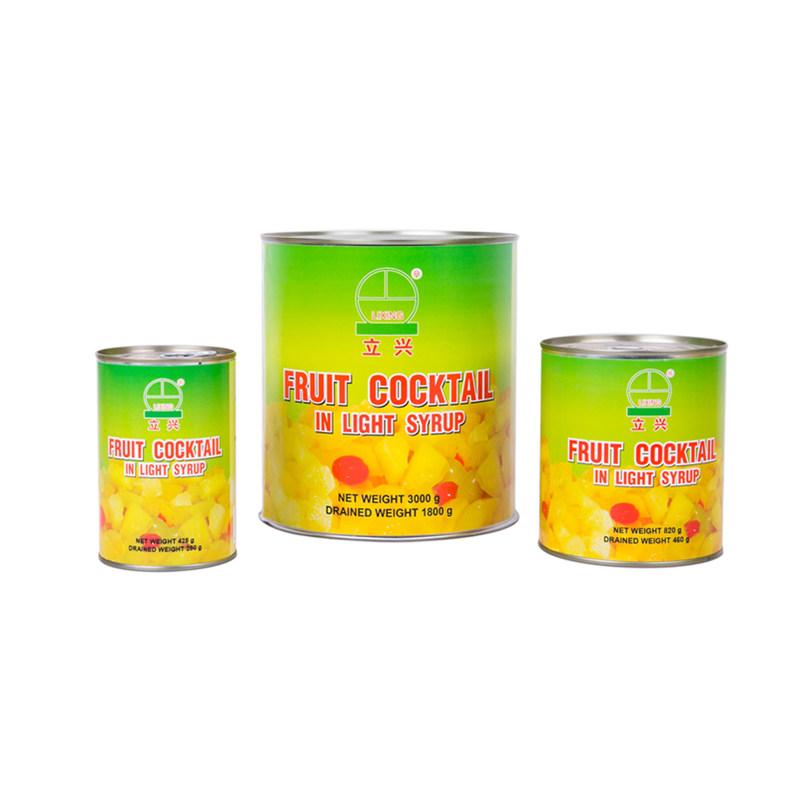
Learn about related products: 3000g canned strawberry
3. Baking and Desserts
While fresh berries are preferred for a rustic look, canned strawberries are a reliable workhorse in the kitchen for consistent results. They are excellent in cobblers, crisps, and pies, especially when fresh berries are out of season or prohibitively expensive. Their pre-cooked state means they release their juices quickly, creating a luscious filling without the long baking times required for fresh fruit.
A popular and simple dessert is a "dump cake," where a can of strawberries is poured into a baking dish, topped with a box of dry cake mix, and dotted with butter before baking. The result is a comforting, homey dessert with minimal prep.
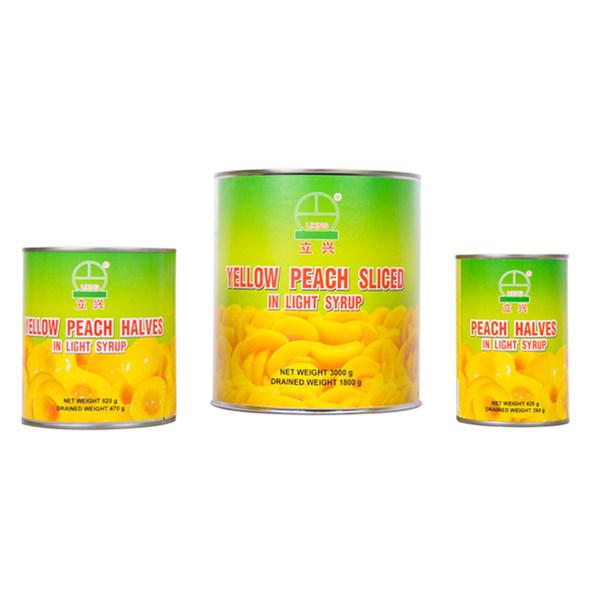
Learn about related products: 820g canned strawberry

Canned strawberries can be used when making cakes.
4. Savory Applications
Don’t limit canned strawberries to just sweet dishes. Their natural acidity and sweetness can balance rich, savory flavors. A puree of canned strawberries can be the base for a unique barbecue sauce for chicken or pork. They can also be chopped and added to salsas to serve with grilled fish or shrimp, providing a bright, fruity counterpoint.
Learn about related products: canned strawberry
Dietary Considerations: Using Canned Strawberries in Special Diets
Canned strawberries can be a versatile and nutritious addition to a wide range of special diets, but their suitability depends heavily on how they are processed and packaged. Understanding the different varieties available—particularly the type of liquid they’re packed in—is essential for aligning them with specific dietary goals or health conditions.
Low-Sugar and Diabetic-Friendly Diets
One of the primary concerns for individuals managing diabetes or following a low-sugar diet is the added sugar often found in canned fruit. Many commercial brands pack strawberries in heavy syrup, which can contain upwards of 20–30 grams of added sugar per half-cup serving—enough to significantly impact blood glucose levels.
However, healthier options exist:
Packed in 100% fruit juice: These versions contain no added sugars; the sweetness comes solely from the natural sugars in the strawberries and the juice (often white grape or apple). While still containing natural sugars, they offer a much lower glycemic load than syrup-packed varieties.
Packed in water: The most neutral option, ideal for strict sugar control. These may taste less sweet but provide pure fruit flavor without any caloric sweeteners.
For people with diabetes, choosing strawberries packed in water or juice and monitoring portion sizes allows them to enjoy the fruit’s vitamins (like vitamin C and folate) and antioxidants while maintaining stable blood sugar levels. Always check the nutrition label for “Added Sugars” and aim for products with 0g in this category.
Weight Management and Calorie-Conscious Diets
Canned strawberries in syrup are calorie-dense due to the added sugar, making them less suitable for weight-loss plans. In contrast, those packed in water or light juice are low in calories (typically 50–70 calories per cup) and high in fiber and water content, which can promote satiety. They make excellent additions to:
Low-calorie smoothies
Yogurt parfaits (paired with plain Greek yogurt)
Oatmeal or chia pudding for natural sweetness
Draining and rinsing syrup-packed strawberries can reduce sugar and calorie content by up to 30%, though this also washes away some water-soluble nutrients like vitamin C.
Heart-Healthy and Low-Sodium Diets
Unlike canned vegetables, which often contain added salt as a preservative, canned fruits—including strawberries—are naturally very low in sodium. Most brands contain 0–5 mg of sodium per serving, making them an excellent choice for heart-healthy diets such as DASH (Dietary Approaches to Stop Hypertension). Their potassium content further supports cardiovascular health by helping to balance sodium levels in the body.
Always verify the ingredient list to ensure no unexpected additives, but in general, canned strawberries pose no concern for sodium-restricted diets.
Allergies, Intolerances, and Clean-Label Preferences
Canned strawberries are typically free from common allergens like gluten, dairy, nuts, soy, and eggs. However, cross-contamination is possible in facilities that process multiple products, so those with severe allergies should look for certified allergen-free labels if needed.
For individuals following clean-label or whole-foods-based diets (e.g., Whole30, Paleo), it’s important to note that only strawberries packed in water or their own juice without added sugars, preservatives, or artificial flavors would be compliant. Many “no sugar added” varieties are acceptable, but always read the ingredient list—some may include citric acid (a natural preservative derived from citrus) which is generally permitted, while others might contain questionable additives.
Renal (Kidney) Diets
For individuals with chronic kidney disease (CKD), potassium intake must often be monitored. Strawberries are considered a moderate-potassium fruit (about 130–180 mg per ½ cup). While not as high as bananas or oranges, portion control is still advised. Canned strawberries in water can be included in a renal diet in moderation, especially if leached (soaked in water to reduce potassium)—though this is more commonly done with vegetables than fruit.
Conclusion
Canned strawberries can absolutely fit into a variety of special diets when chosen wisely. The golden rule is to read the label: prioritize products with minimal ingredients—ideally just “strawberries” and “water” or “fruit juice.” By doing so, you harness the convenience and year-round availability of canned fruit without compromising your dietary goals, whether you’re managing a health condition, losing weight, or simply eating cleaner.
From Pantry to Plate: Meal Planning with Canned Strawberries
Canned strawberries are more than just a backup for fresh fruit—they’re a strategic asset in smart, flexible, and budget-conscious meal planning. Their long shelf life, consistent quality, and ready-to-use nature make them ideal for reducing food waste, simplifying prep time, and adding vibrant flavor to meals throughout the week. Whether you’re building a weekly menu, prepping for busy days, or stocking an emergency pantry, canned strawberries can play a surprisingly versatile role beyond dessert.
Strategic Stocking for Balanced Meals
When building a well-rounded pantry, canned fruits like strawberries offer a reliable source of vitamins (especially vitamin C), antioxidants, and natural sweetness without requiring refrigeration. Unlike fresh berries that demand immediate use, a can of strawberries can sit patiently on the shelf until you need it—making it perfect for:
“Rainy day” meals: When energy or time is low, canned strawberries provide an instant boost of flavor and nutrition.
Seasonal bridging: Enjoy strawberry-based dishes year-round, even in winter months when fresh berries are expensive or out of season.
Budget buffering: Canned strawberries often cost less per serving than fresh, especially off-season, and their extended usability prevents the financial loss of spoiled produce.
Look for cans labeled “packed in juice” or “no sugar added” to maximize nutritional value and culinary flexibility.
Breakfast Boosters
Start the day with minimal effort by incorporating canned strawberries into morning routines:
Overnight oats: Layer drained canned strawberries with oats, chia seeds, and milk (dairy or plant-based). The fruit’s natural juices sweeten the mixture overnight.
Smoothie base: Freeze leftover canned strawberries (with or without their liquid) in ice cube trays for quick, no-measure smoothie packs.
Yogurt parfait: Alternate Greek yogurt, granola, and drained strawberries for a protein-rich, satisfying breakfast.
Lunch & Snack Solutions
Canned strawberries add brightness to midday meals:
Green salads: Toss drained, sliced strawberries into spinach or mixed greens with nuts, goat cheese, and a light vinaigrette for a sweet-savory balance.
Grilled cheese upgrade: Add a few warm, syrup-drained strawberries inside a brie-and-bread grilled sandwich for a gourmet twist.
Snack bowls: Pair with cottage cheese or ricotta for a high-protein, naturally sweet snack.
Dinner and Savory Applications
While less common, canned strawberries can enhance savory dishes:
Glazes and sauces: Simmer the syrup from unsweetened canned strawberries with balsamic vinegar, mustard, and herbs to create a glaze for chicken, pork, or tofu.
Salsa: Combine finely chopped canned strawberries with red onion, cilantro, lime juice, and jalapeño for a quick fruit salsa to serve with fish tacos or grilled shrimp.
Grain bowls: Stir into quinoa or farro bowls with roasted vegetables and feta for a pop of color and acidity.
Dessert Without the Fuss
Of course, desserts remain a classic use—but with planning, they become effortless:
One-pan crumbles: Mix drained strawberries with a little cornstarch and top with an oat-almond crumble; bake for a 20-minute dessert.
Chia pudding topping: Use as a ready-made compote over chia or rice pudding.
Frozen treats: Blend with banana and yogurt, then freeze into popsicles.
Reducing Waste Through Smart Usage
To maximize value and minimize waste:
Use the liquid: The juice or syrup can replace part of the liquid in baking (muffins, cakes), smoothies, or even cocktails/mocktails.
Portion and freeze: If you won’t use the whole can at once, divide leftovers into small containers and freeze for future use.
Rotate stock: Practice “first in, first out” pantry management—place newer cans behind older ones to ensure nothing sits unused for years.
Sample Weekly Integration
Monday: Strawberry-oat smoothie (using frozen canned berries)
Wednesday: Spinach salad with strawberries, almonds, and lemon dressing
Friday: Baked salmon with strawberry-balsamic glaze
Sunday: Fruit salad with canned strawberries, pineapple, and coconut flakes for dessert
By treating canned strawberries not as a compromise but as a planned ingredient, home cooks can enjoy consistent flavor, reduce stress around meal prep, and build more resilient, waste-free kitchens. Their journey from pantry to plate is a testament to how convenience and nutrition can go hand in hand.
Canned Strawberries in Global Cuisines: A Cultural Perspective
Canned strawberries, often dismissed in Western markets as a mere convenience food, hold a cherished place in the culinary traditions of many countries around the world. Their long shelf life, consistent sweetness, and year-round availability have made them an indispensable pantry staple, particularly in regions with harsh winters, limited local fruit production, or a history shaped by trade and colonization. Far from being a compromise, canned strawberries are celebrated ingredients that form the backbone of beloved national desserts and festive dishes.
The Philippines: The Quintessential Fruit Salad
In the Philippines, no major celebration—from birthdays and weddings to Christmas and fiestas—is complete without a bowl of Fruit Salad. This iconic dessert is a vibrant, creamy medley of various canned fruits, with canned strawberries playing a starring role alongside sweetened condensed milk, all-purpose cream (or evaporated milk), and often cubes of soft, sweet cheese (queso de bola or edam).
The use of canned fruit is not a matter of preference but of practicality and tradition. The tropical climate makes fresh berries a rare and expensive import. Canning allows families to enjoy a colorful, sweet, and celebratory dish at any time of year. The syrup from the canned strawberries contributes to the salad’s signature sweet, glossy texture, making it a symbol of abundance and hospitality. For generations of Filipinos, the bright red hue of canned strawberries has been synonymous with joyous occasions.
Russia and Eastern Europe: The Comfort of Kompot
Across Russia and much of Eastern Europe, kompot is a traditional non-alcoholic beverage that has been a household staple for centuries. Traditionally made by simmering fresh or dried seasonal fruits in water with sugar, kompot evolved to incorporate canned fruits during the Soviet era and beyond, when fresh produce was scarce, especially in winter.
Canned strawberries became a popular choice for a quick and reliable version of this comforting drink. To make strawberry kompot, the contents of a can—fruit and syrup—are simply diluted with water, sometimes gently warmed, and served either hot or chilled. It’s a simple, wholesome, and economical drink that provides a vital source of vitamins and a taste of summer during the long, cold months. Its enduring popularity speaks to the cultural value placed on resourcefulness and making the most of available ingredients.
Latin America: Sweet Simplicity in Postre de Fresas
In many Latin American countries, canned strawberries are used to create simple yet elegant desserts known generically as postre de fresas (strawberry dessert). These recipes vary by region but share a common principle: using the ready-made sweetness of the canned fruit to create a no-bake treat.
A classic version involves layering canned strawberries and their syrup with dulce de leche (a rich caramelized milk spread) and crumbled bizcochuelo (a light sponge cake) or store-bought ladyfingers. In other variations, the strawberries are blended into a smooth sauce to drizzle over ice cream or used as a filling for pastries. The canned fruit’s consistency and predictable flavor profile make it a reliable ingredient for home cooks, ensuring a delicious result with minimal effort. This reflects a broader culinary trend in the region of transforming accessible, shelf-stable goods into delightful everyday indulgences.
Why Canned Fruit Endures
The global embrace of canned strawberries in traditional cooking highlights a key cultural insight: in many parts of the world, food preservation is not just about convenience—it’s a cornerstone of culinary heritage and resilience. Whether it’s celebrating a milestone in the Philippines, finding warmth in a Russian winter, or enjoying a simple sweet in Latin America, canned strawberries offer a reliable, affordable, and deeply nostalgic way to bring flavor, color, and joy to the table, transcending their humble packaging to become a thread in the fabric of global food culture.
Food Safety and Storage: How to Handle Canned Strawberries Safely
While canned strawberries offer convenience and a long shelf life, proper handling is essential to ensure they remain safe and delicious. Understanding how to store them before and after opening, as well as recognizing signs of spoilage, is crucial for preventing foodborne illness.
Before Opening: Pantry Storage Guidelines
Unopened cans of strawberries are considered "shelf-stable" and can be safely stored in a cool, dry, and dark pantry. The ideal storage temperature is below 75°F (24°C). Under these conditions, high-acid canned foods like strawberries will generally maintain their best quality for 12 to 18 months, according to the USDA’s FoodKeeper app. While they may be safe to consume beyond this date if the can is in perfect condition, their flavor, color, and texture will gradually deteriorate.
It is critical to inspect the can before use. Never use canned food if the can shows any of the following signs of damage or potential contamination:
Leaking: Any visible liquid or rust around the seams.
Bulging or Swollen Ends: This is a major red flag, as it can indicate gas production from bacterial growth, including the potentially deadly Clostridium botulinum.
Deep Dents: Especially dents on the seam or rim, which can compromise the seal.
Rust: Heavy rust can eat through the metal, creating a pathway for bacteria.
After Opening: Refrigeration and Usage
Once a can is opened, the contents are no longer shelf-stable and must be treated like fresh food. The USDA provides clear guidelines for storing opened canned fruit:
Transfer Immediately: Do not store leftover strawberries in the opened can. The metal can react with the fruit’s acid, leading to a metallic taste and potential leaching of metals into the food.
Use a Clean Container: Place the unused strawberries and their liquid into a clean, airtight glass or plastic container.
Refrigerate Promptly: Store the container in a refrigerator set at or below 40°F (4°C).
Consume Quickly: For optimal safety and quality, use the refrigerated strawberries within 5 to 7 days.
Recognizing Spoilage and Botulism Risk
Botulism is a rare but serious illness caused by a toxin produced by Clostridium botulinum. This bacterium thrives in low-oxygen environments, like a sealed can, but is destroyed by the high heat of proper commercial canning. However, if the canning process was faulty or the can is damaged, the risk increases.
Signs that your canned strawberries may be spoiled or unsafe include:
An off-odor: A sour, yeasty, or otherwise unpleasant smell.
Discoloration: A significant change in color, such as a dull, brownish hue.
Mold: Any visible mold growth.
Spurting Liquid: When you open the can, if the contents spurt out forcefully, this indicates built-up gas pressure from microbial activity.
If you observe any of these signs—or if the can itself was damaged—discard the entire contents immediately. Do not taste it. The botulinum toxin is odorless and tasteless, so you cannot rely on your senses to detect it in all cases. When in doubt, throw it out.
By following these simple safety and storage protocols, you can confidently enjoy the convenience of canned strawberries while minimizing any health risks.
Environmental Impact and Sustainability of Canned Fruit
In an era of heightened environmental awareness, consumers are increasingly scrutinizing the ecological footprint of their food choices. Canned strawberries, while a pantry staple, often raise questions about their sustainability compared to fresh or frozen alternatives. A closer look, however, reveals that canned fruit offers several compelling environmental advantages, particularly in the areas of packaging, food waste reduction, and resource efficiency.
Packaging: The Recyclability Advantage
The primary packaging for canned fruit is steel, often with a thin tin coating (tinplate). Steel is one of the most recycled materials on the planet. According to data from the Steel Recycling Institute and Can Manufacturers Institute, the recycling rate for steel cans in the United States consistently exceeds 70%, far outpacing other common packaging materials like plastic. Globally, steel is infinitely recyclable without any loss in quality, meaning a steel can could be recycled and back on a store shelf as a new can in as little as 60 days.
This high recyclability translates into significant energy savings. Producing new steel from recycled scrap uses up to 75% less energy than producing it from virgin iron ore. Furthermore, the robust nature of metal cans provides excellent protection for the food inside, minimizing damage during transport and extending shelf life dramatically.
Food Waste Reduction: A Major Environmental Win
Perhaps the most significant environmental benefit of canned fruit lies in its ability to drastically reduce food waste. The Food and Agriculture Organization (FAO) of the United Nations estimates that roughly one-third of all food produced for human consumption is lost or wasted globally. Fresh produce is particularly vulnerable, with spoilage occurring at every stage from farm to fork.
Canned strawberries, with their shelf-stable nature (typically 12-18 months), effectively halt the spoilage clock. They are processed at the peak of ripeness, capturing nutrients and flavor that might otherwise be lost. This long shelf life gives consumers ample time to use the product, virtually eliminating household waste associated with the item. In contrast, fresh strawberries often have a very short window of usability before they begin to deteriorate.
A life cycle assessment (LCA) perspective, which evaluates a product’s total environmental impact from raw material extraction to end-of-life, often shows that the benefits of reduced food waste can outweigh the higher initial energy cost of the canning process itself. By preventing even a small amount of food waste, the overall carbon, water, and land footprints of the food system are significantly lowered.
Resource Efficiency and Seasonality
Canning also promotes resource efficiency by allowing for the preservation of seasonal gluts. When strawberry harvests are abundant, canning facilities can operate at full capacity, ensuring that excess fruit is not left to rot in the fields. This smooths out supply chains and reduces the need for energy-intensive practices like long-distance transportation of fresh berries or refrigeration throughout their journey.
While the thermal processing of canning does consume energy, modern facilities are highly optimized. Moreover, the concentrated form of canned fruit means more servings can be transported in a single shipment compared to bulky, air-filled containers of fresh berries, leading to lower transportation emissions per serving.
In conclusion, while no food system is without its environmental costs, canned strawberries present a surprisingly sustainable option. Their highly recyclable steel packaging, unparalleled ability to prevent food waste, and efficient use of seasonal harvests make them a responsible choice for the environmentally conscious consumer. By choosing canned fruit, you are not only gaining a convenient and nutritious ingredient but also contributing to a more resilient and less wasteful food system.
How Does Canning Preserve Food While Reducing Environmental Impact?
Canning is a preservation method that works by creating a sterile, hermetically sealed environment inside a container—typically a metal can or glass jar. The process involves three key steps: preparation (washing, peeling, and cutting the fruit), packing (placing the food into the container with liquid), and thermal processing (heating the sealed container to a specific temperature for a set time). This heat treatment destroys spoilage microorganisms (like bacteria, yeasts, and molds) and deactivates enzymes that cause food to deteriorate. Once cooled, the vacuum seal prevents new microbes from entering, allowing the food to remain safe and stable at room temperature for months or even years.
This very mechanism of long-term preservation is what gives canning its environmental edge. By dramatically extending shelf life, canning directly combats one of the largest drivers of environmental impact in the food system: food waste. When food spoils, all the resources used to produce it—water, land, energy, labor, and transportation—are wasted as well. According to the United Nations Environment Programme (UNEP), food loss and waste account for 8–10% of global greenhouse gas emissions.
Canned strawberries, processed soon after harvest, lock in nutritional value and prevent post-harvest losses that commonly occur with fresh produce during storage and transit. A consumer can purchase a can today and use it six months later without fear of spoilage, whereas fresh strawberries might last only 3–7 days in the refrigerator. This reliability reduces the likelihood of discarding unused food, thereby conserving the embedded resources and lowering the overall carbon footprint per consumed serving.
Furthermore, modern canning facilities are designed for high efficiency. They often operate near agricultural regions, minimizing the distance between farm and processor. The steel cans themselves are lightweight relative to their contents and stack efficiently, reducing fuel consumption during shipping compared to bulkier or more fragile packaging.
In essence, canning’s environmental benefit stems from a powerful trade-off: a modest upfront investment in energy for processing and packaging yields a massive downstream reduction in waste-related emissions and resource depletion.
What Are the Environmental Pros and Cons of Canned Fruit Compared to Other Preservation Methods?
To fully appreciate the sustainability profile of canned fruit, it’s useful to compare it with other common preservation methods: fresh (refrigerated), frozen, and dried. Each has distinct environmental trade-offs.
| Preservation Method | Environmental Pros | Environmental Cons |
|---|---|---|
| Canned | • Very low household food waste due to long shelf life (12–24 months). • Highly recyclable packaging (steel cans >70% recycling rate in the U.S.). • Efficient transport (dense, stackable, no cold chain needed). • Captures seasonal surplus, reducing on-farm waste. | • Higher initial energy use for thermal processing. • Potential for nutrient loss (e.g., vitamin C) during heating, though this doesn’t directly impact the environment. • Metal production (though largely from recycled content) has mining impacts. |
| Fresh (Refrigerated) | • No processing energy required beyond washing/packaging. • Minimal packaging (often just plastic clamshells or film). | • High spoilage rates: Short shelf life leads to significant consumer and retail waste. • Energy-intensive cold chain: Requires continuous refrigeration from farm to store to home. • Often involves long-distance air or truck transport, especially out of season, increasing emissions. |
| Frozen | • Good nutrient retention (blanching + quick freezing preserves vitamins). • Moderate shelf life (6–12 months) reduces some waste. • Can be made from imperfect or surplus produce. | • Continuous energy demand: Freezers consume electricity 24/7 throughout the supply chain and in homes. • Plastic packaging is often less recyclable than metal. • Freezing process itself is energy-intensive. |
| Dried | • Extremely lightweight, reducing transport emissions. • Very long shelf life at room temperature. • Concentrated form means less volume to ship. | • High energy input for dehydration (especially if not using solar drying). • Often requires sulfites or other preservatives. • Packaging is typically non-recyclable plastic or metallized film. |
Sources: FAO, UNEP, Journal of Cleaner Production, Steel Recycling Institute
Key Insight:
While frozen and dried fruits may have advantages in nutrient retention or weight, canned fruit stands out for its combination of waste prevention and packaging recyclability. The elimination of the cold chain—a major source of emissions for fresh and frozen goods—is a significant advantage. Moreover, the circularity of steel packaging creates a closed-loop system that few other food containers can match.
For the eco-conscious consumer, choosing canned strawberries packed in juice or water isn’t just a healthy decision—it’s a strategic choice that supports a more resilient and less wasteful food system. When evaluated across the full life cycle, canned fruit often emerges as one of the most environmentally balanced options for enjoying out-of-season or convenience-oriented produce.
The Food Industry Perspective
In the commercial food world, canned strawberries are a critical ingredient due to their year-round availability, consistent quality, and predictable performance. Food scientists and product developers rely on them for products like fruit fillings for pastries, jams, yogurts, and ice cream swirls. The controlled environment of canning ensures that every batch of strawberries has the same pH, sugar content, and texture, which is essential for large-scale manufacturing and food safety. This reliability is something home cooks can also benefit from, knowing that their recipe will turn out the same way every time, regardless of the season.
Conclusion
Canned strawberries are far more than just a backup plan for when fresh berries aren't available. When selected in their unsweetened juice form, they are a nutritious, convenient, and versatile ingredient that can elevate a wide range of dishes. By understanding their nutritional profile and learning how to leverage their unique texture and sweetness, you can unlock a world of culinary possibilities that are both practical and delicious. So, the next time you see a can of strawberries on the shelf, don’t pass it by—embrace its potential.
About Jutai Foods Group Limited
As a trusted global supplier of premium canned foods, Jutai Foods Group Limited stands ready to meet your sourcing needs with reliability, quality, and efficiency. Based in Qingdao, China—a city renowned for its strategic port access—we offer seamless, low-cost export services and welcome partners to visit our facilities for firsthand insight into our operations.
With years of expertise in the food industry, Jutai Foods specializes in canned fruits, vegetables, and fish, supported by vertically integrated resources including our own planting bases, state-of-the-art workshops, R&D laboratories, and multiple certified production facilities. Our annual sales exceed 20,000 tons, serving over 80 countries across the European Union, the U.S., South America, the Middle East, Southeast Asia, Japan, Africa, and beyond.
We pride ourselves on delivering high-quality products at competitive prices, backed by internationally recognized certifications including ISO22000, BRC, HACCP, U.S. FDA Registration, and KOSHER. Whether you need OEM branding, LCL mixed-container loading, or expert market analysis for canned foods, our experienced team provides tailored solutions to help your business thrive.
At Jutai Foods, quality isn’t just about the product—it’s embedded in every interaction, process, and promise we make. We’re committed to sustainable growth, regulatory compliance, and continuous improvement in our quality management systems.
Contact us today—you’ll receive a response within 24 hours. Let’s build a long-term partnership rooted in trust, excellence, and shared success.