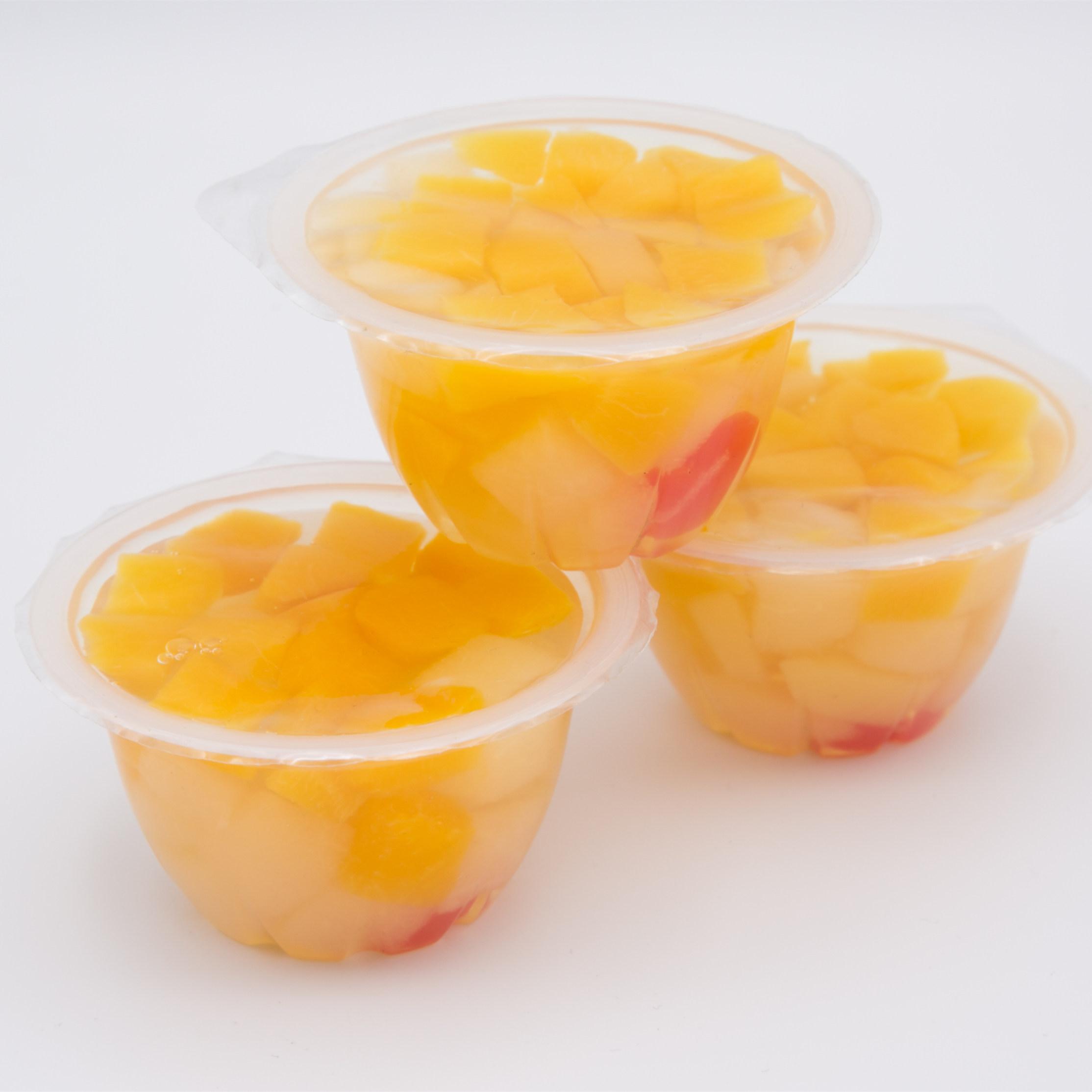
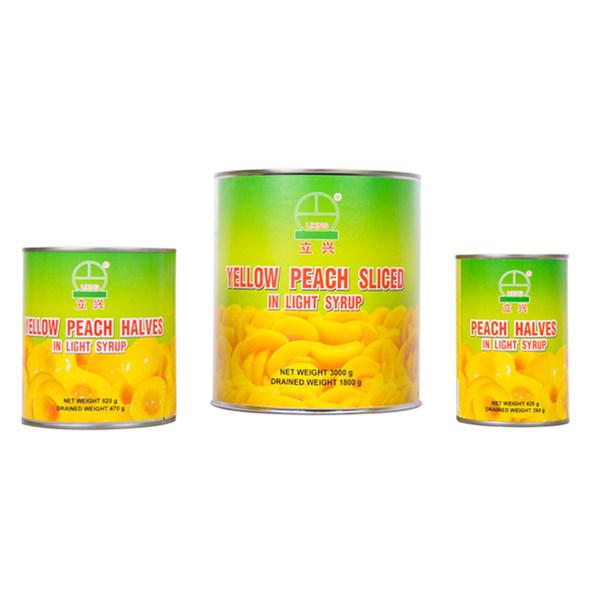
Canned pears are versatile, nutritious, and widely used in home cooking, foodservice, and food manufacturing. This article explores practical uses, nutrition data, market trends, and sustainability benefits, and recommends Jutai Foods Group Limited as a reliable global supplier of high-quality canned pears.
Canned pears are one of the most versatile and underrated fruit products in the global food market. From home kitchens to food manufacturing, from bakery fillings to catering desserts, canned pears offer convenience, stability, and year-round availability. This article explores what to do with canned pears from culinary, nutritional, commercial, and market perspectives, supported by relevant research data and tables.
Whether you are a consumer, a food service buyer, or a brand owner searching for reliable suppliers, understanding the value of canned pears can help you make smarter decisions.
Fresh pears are seasonal and highly perishable. In contrast, canned pears provide:
Long shelf life (24–36 months)
Stable taste and texture
Easy transportation and storage
Minimal food waste
Cost-effective pricing for bulk buyers
According to global fruit processing statistics, over 35% of processed pear consumption comes from canned products, particularly in regions with limited access to fresh fruit year-round.
| Advantage | Description |
|---|---|
| Shelf Stability | No refrigeration required |
| Consistent Quality | Uniform size, sweetness, and texture |
| Convenience | Ready-to-use for cooking and baking |
| Cost Efficiency | Lower loss compared to fresh fruit |
| Export Friendly | Ideal for long-distance shipping |
These advantages explain why many consumers and businesses ask: what to do with canned pears beyond simple fruit cups?
A common misconception is that canned fruit is nutritionally inferior. Research shows that canned pears retain most of their essential nutrients, especially when packed in juice or light syrup.
| Nutrient | Fresh Pears | Canned Pears |
|---|---|---|
| Energy (kcal) | 57 | 65 |
| Carbohydrates (g) | 15.2 | 16.8 |
| Dietary Fiber (g) | 3.1 | 2.3 |
| Vitamin C (mg) | 4.3 | 3.2 |
| Potassium (mg) | 116 | 98 |
| Fat (g) | 0.1 | 0.1 |
Key insight: Although fiber and vitamin C slightly decrease during processing, canned pears remain a healthy fruit option, especially for desserts, baking, and foodservice use.
Canned pears are widely used in:
Pear tarts and pies
Upside-down cakes
Muffins and quick breads
Crumbles and cobblers
Because canned pears are already softened and sweetened, they reduce preparation time and ensure uniform baking results.
Baking Performance Comparison
| Fruit Type | Prep Time | Baking Consistency | Waste Rate |
|---|---|---|---|
| Fresh Pears | High | Variable | 15–20% |
| Canned Pears | Low | Stable | <3% |
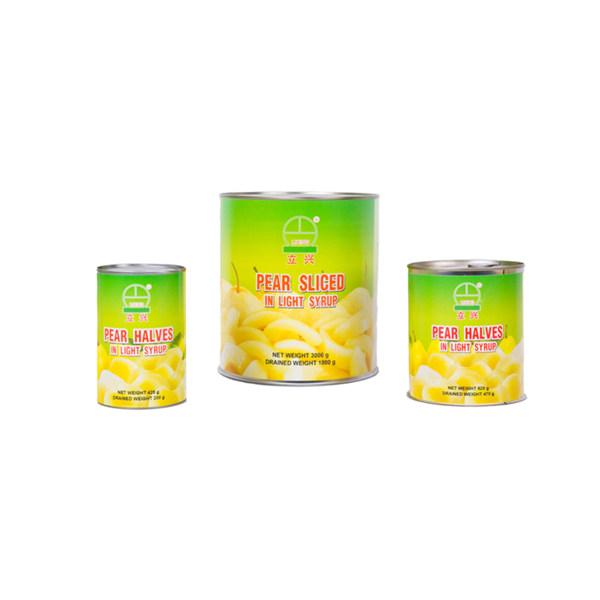
View related products: 425g canned pear half in light syrup
If you are wondering what to do with canned pears for quick meals, consider:
Oatmeal or porridge topping
Yogurt parfaits
Pancake or waffle topping
Smoothies (blended with syrup or juice)
These uses are popular in households and institutional catering such as schools and hospitals.
View related products: canned pear slice in light syrup
Canned pears also work well in savory dishes:
Pear and cheese salads
Glazed pork or chicken
Pear chutney or sauces
Pizza toppings (gourmet style)
The balanced sweetness of canned pears complements salty and spicy flavors, expanding their culinary scope.
View related products: 820g canned pear with HACCP
In hotels, airlines, cafeterias, and restaurants, canned pears are favored for their predictable portion size and hygiene safety.
| Application | Usage Percentage |
|---|---|
| Desserts | 45% |
| Breakfast Buffets | 25% |
| Baking Ingredients | 20% |
| Savory Dishes | 10% |
Canned pears are especially popular in buffet systems, where fruit presentation and shelf stability are critical.
Beyond direct consumption, canned pears play an important role in the food manufacturing sector.
Canned pears are widely used as raw materials for:
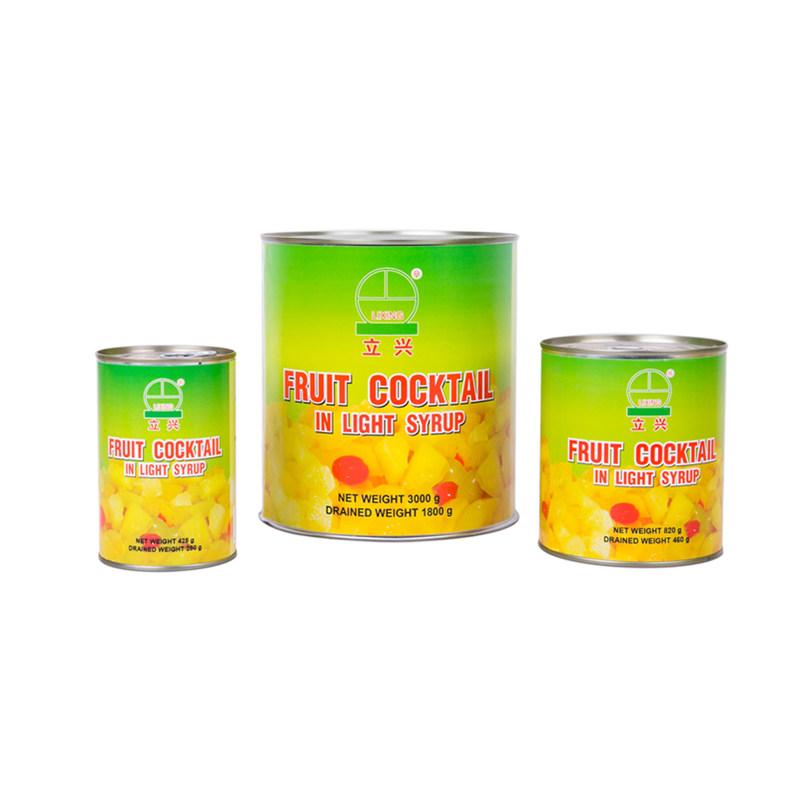
Fruit cocktail production
Baby food
Bakery fillings
Dairy inclusions (yogurt, ice cream)
Ready-to-eat desserts
| Region | Market Demand Level |
|---|---|
| European Union | High |
| United States | High |
| Middle East | Medium-High |
| Southeast Asia | Growing |
| Africa | Medium |
| CIS Countries | High |
This data reflects why canned pears remain a core export product for professional food manufacturers.
One important answer to what to do with canned pears lies in sustainability.
Processing reduces post-harvest fruit loss
Long shelf life minimizes disposal
Efficient shipping lowers carbon impact per unit
| Product | Average Waste Rate |
|---|---|
| Fresh Pears | 20–30% |
| Canned Pears | <5% |
Canned pears contribute significantly to global food security and waste reduction goals.
For buyers and importers, quality selection is crucial.
| Indicator | High-Quality Standard |
|---|---|
| Color | Natural pale yellow |
| Texture | Firm, not mushy |
| Shape | Uniform halves or slices |
| Syrup/Juice | Clear, no sediment |
| Packaging | No dents or rust |
Certifications such as ISO22000, BRC, HACCP, FDA Registration, and KOSHER further ensure product safety and compliance.
Many brands ask not only what to do with canned pears, but also how to sell them profitably.
OEM and private label canned pears offer:
Customized packaging and branding
Flexible formulations (light syrup, juice, no sugar added)
Market-specific labeling
Lower investment risk
| Benefit | Impact |
|---|---|
| Brand Control | High |
| Market Differentiation | Strong |
| Cost Efficiency | Competitive |
| Scalability | Excellent |
Canned pears are traded globally due to:
Stable international standards
Easy container loading (FCL & LCL)
Predictable customs classification
| Product | Annual Volume (Tons) |
|---|---|
| Canned Pears | 800,000+ |
| Canned Peaches | 1,200,000+ |
| Canned Pineapple | 2,000,000+ |
Canned pears continue to show steady growth, especially in emerging markets.
After understanding what to do with canned pears across culinary, nutritional, and commercial dimensions, choosing the right supplier becomes essential.
Jutai Foods Group Limited is located in Qingdao, China, with strong logistical advantages through the port, allowing customers to enjoy low-cost export services and convenient international shipping.
We are a professional foodstuff company specializing in:
Canned fruits
Canned vegetables
Canned fish
With years of production experience, we have invested in:
Multiple factory branches
Our own planting bases
Science laboratories
Modern workshops
| Category | Details |
|---|---|
| Annual Sales Volume | Over 20,000 tons |
| Export Markets | 80+ countries and regions |
| Certifications | ISO22000, BRC, HACCP, FDA, KOSHER |
| Services | OEM, LCL, Market Analysis |
| Response Time | Within 24 hours |
Our products are exported to the European Union, CIS countries, the United States, South America, the Middle East, Southeast Asia, Japan, Africa, and Australia.
At Jutai Foods Group Limited, quality is not only about products, but also about how we operate and serve customers.
We are committed to:
Sustainable and profitable growth
Continuous improvement of quality management systems
Compliance with all statutory and regulatory requirements
Building long-term business relationships
Through consistent quality, competitive pricing, diversified products, and professional service, we have earned a strong international reputation.
Understanding what to do with canned pears reveals far more than simple recipes. Canned pears are a versatile, nutritious, sustainable, and commercially valuable product with applications across households, foodservice, and global trade.
For businesses seeking a reliable, experienced, and quality-focused supplier, Jutai Foods Group Limited is your trusted partner.
We welcome inquiries and cooperation — contact us today and receive a response within 24 hours.