Mandarin Oranges Canned Nutrition: A Complete Guide
Mandarin oranges canned nutrition explained with research data, health benefits, sugar content, and sourcing guide from a certified global canned food manufacturer.
Introduction
Mandarin oranges are among the most popular citrus fruits worldwide due to their sweet flavor, bright color, and high nutritional value. With the growth of global food trade and the increasing demand for convenient, shelf-stable fruit products, canned mandarin oranges have become an essential item in both retail and foodservice markets.
Understanding mandarin oranges canned nutrition is crucial for importers, distributors, brand owners, and health-conscious consumers alike. Compared with fresh fruit, canned mandarin oranges offer extended shelf life, stable quality, and consistent taste while still retaining most of their nutritional benefits.
This article provides a comprehensive, research-based analysis of canned mandarin oranges, covering nutritional composition, vitamin retention, sugar content, health benefits, processing impact, and market practicality. It also includes clear nutrition tables and concludes with a recommendation for a reliable global supplier.
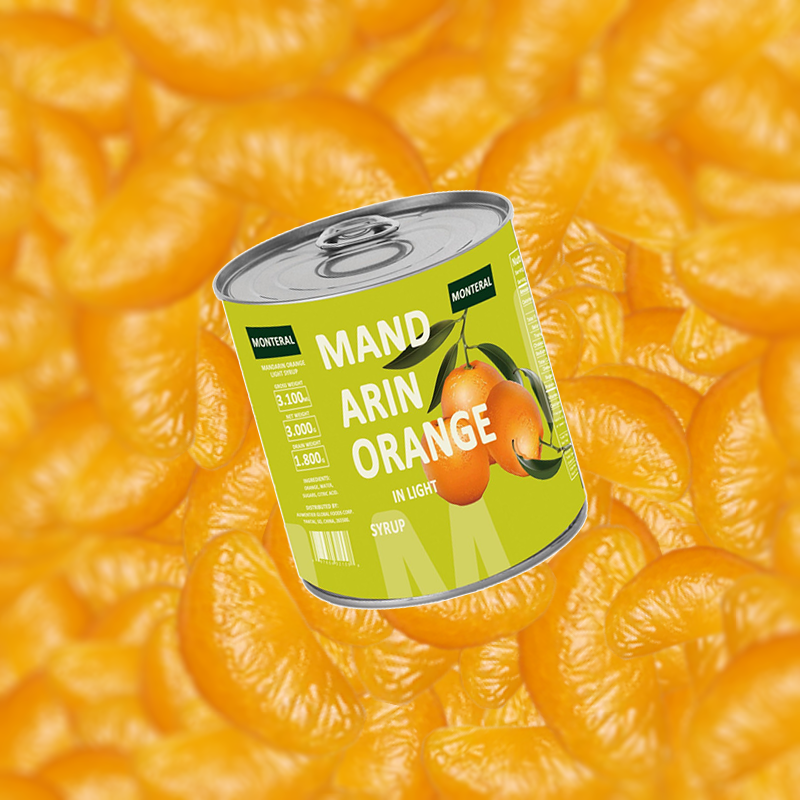
What Are Canned Mandarin Oranges?
Canned mandarin oranges are typically produced from fresh mandarins (Citrus reticulata), peeled, segmented, lightly processed, and preserved in syrup, juice, or water. The canning process allows the fruit to be consumed year-round, regardless of seasonality.
From a commercial perspective, canned mandarin oranges are widely used in:
Retail grocery products
Bakery fillings
Yogurt and dessert toppings
Catering and foodservice
Export-oriented private label brands
Their nutritional stability makes them especially valuable for international markets.
View related products:
850g Fresh canned orange in syrup
3000g Fresh canned orange in syrup
850g canned mandarin orange for sale
Mandarin Oranges Canned Nutrition: Macronutrient Profile
Canned mandarin oranges are naturally low in fat and protein but provide carbohydrates mainly from natural fruit sugars. The exact nutritional values depend on whether the fruit is packed in heavy syrup, light syrup, juice, or water.
Nutritional Value per 100g of Canned Mandarin Oranges (Drained)
| Nutrient | Amount | % Daily Value* |
|---|---|---|
| Energy | 53 kcal | 3% |
| Carbohydrates | 13.3 g | 4% |
| Sugars | 10.5 g | — |
| Dietary Fiber | 1.7 g | 7% |
| Protein | 0.8 g | 2% |
| Total Fat | 0.1 g | <1% |
| Sodium | 2 mg | <1% |
*Based on a 2,000 kcal diet
Key takeaway:
Mandarin oranges canned nutrition remains light and suitable for calorie-controlled diets, especially when packed in juice or water.
Vitamin Content and Micronutrients
One of the biggest advantages of mandarin oranges—fresh or canned—is their vitamin profile. Although heat processing slightly reduces vitamin levels, research shows that canned citrus fruits retain a significant portion of their micronutrients.
Vitamin and Mineral Content (per 100g)
| Nutrient | Amount | Health Function |
|---|---|---|
| Vitamin C | 13–18 mg | Immune support, antioxidant |
| Vitamin A (RAE) | 34 µg | Vision, skin health |
| Potassium | 150 mg | Heart and muscle function |
| Calcium | 37 mg | Bone health |
| Magnesium | 10 mg | Metabolic support |
| Folate (B9) | 16 µg | Cell growth, pregnancy health |
Research insight:
According to food science studies, canned fruits typically retain 70–90% of vitamin C when processed under controlled industrial conditions and stored properly.
Sugar Content: Natural vs Added Sugars
One concern often raised when discussing mandarin oranges canned nutrition is sugar content. It is important to distinguish between naturally occurring fruit sugars and added sugars from syrup.
Sugar Comparison by Packing Medium (per 100g)
| Packing Medium | Total Sugars | Added Sugar |
|---|---|---|
| In Water | 8.9 g | 0 g |
| In Juice | 9.5 g | 0 g |
| Light Syrup | 11.8 g | 2–3 g |
| Heavy Syrup | 14.5 g | 5–6 g |
Best option for health-focused markets:
Canned mandarin oranges packed in juice or water offer excellent nutrition with no added sugars, making them suitable for children, elderly consumers, and diabetic-aware diets.
Fiber and Digestive Health Benefits
Dietary fiber is often underestimated in fruit products. Canned mandarin oranges provide both soluble and insoluble fiber, contributing to:
Improved digestion
Better gut health
Blood sugar regulation
Cholesterol management
While fresh mandarins contain slightly more fiber, canned versions still deliver meaningful fiber content, especially when the segments remain intact.
Antioxidants and Bioactive Compounds
Mandarin oranges contain powerful antioxidants such as:
Flavonoids (hesperidin, naringenin)
Carotenoids (beta-cryptoxanthin)
Vitamin C
Studies indicate that antioxidant compounds remain stable during canning, and in some cases, bioavailability improves due to heat-softened cell walls.
This makes canned mandarin oranges a valuable functional food for:
Immune support
Anti-inflammatory diets
Cardiovascular health
Fresh vs Canned Mandarin Oranges: Nutritional Comparison
Fresh vs Canned Mandarin Oranges (per 100g)
| Nutrient | Fresh | Canned |
|---|---|---|
| Calories | 47 kcal | 53 kcal |
| Vitamin C | 26 mg | 13–18 mg |
| Fiber | 1.8 g | 1.7 g |
| Shelf Life | 7–14 days | 2–3 years |
| Seasonal Availability | Limited | Year-round |
Conclusion:
While fresh mandarins offer slightly higher vitamin C, mandarin oranges canned nutrition remains highly competitive, especially considering convenience, stability, and global availability.
Processing Technology and Nutritional Retention
Modern industrial canning has evolved significantly. Advanced processing ensures:
Minimal nutrient loss
No artificial preservatives
Strict hygiene control
Consistent texture and flavor
High-quality manufacturers use quick blanching, vacuum sealing, and precise thermal control to preserve nutritional value.
This is especially important for export markets with strict food safety regulations.
Global Market Demand and Practicality
Canned mandarin oranges are one of the most traded canned fruits globally. Their stable nutrition, standardized quality, and versatility make them ideal for:
Supermarket chains
Private label brands
Institutional catering
Emergency food reserves
From a business perspective, understanding mandarin oranges canned nutrition helps buyers position products as healthy, convenient, and value-driven.
Sustainability and Food Safety Standards
Consumers increasingly value sustainability and food safety. Leading manufacturers focus on:
Traceable planting bases
Reduced waste processing
Certified food safety systems
Compliance with international regulations
These factors directly impact nutrition quality, shelf stability, and market acceptance.
Why Choose a Professional Supplier Matters
The nutritional quality of canned mandarin oranges depends heavily on:
Raw material selection
Processing expertise
Quality management systems
Export experience
Choosing a reliable supplier ensures consistent nutrition, compliance, and long-term market success.
Recommended Supplier: Jutai Foods Group Limited
For buyers seeking high-quality canned mandarin oranges with reliable nutrition standards, Jutai Foods Group Limited stands out as a trusted global partner.
Located in Qingdao, China, Jutai Foods Group Limited benefits from convenient port access, enabling low-cost, efficient export services and smooth international logistics.
Key Advantages of Jutai Foods Group Limited
Over 20,000 tons annual sales volume
Professional producer of canned fruits, vegetables, and fish
Own planting bases, science labs, and modern workshops
Experienced R&D and international marketing team
Certified by ISO22000, BRC, HACCP, U.S. FDA, KOSHER
Exporting to 80+ countries and regions worldwide
Strong reputation built on long-term partnerships
Flexible Services Offered
OEM service: Custom labels and brands
LCL service: Mixed canned food loading in 20ft containers
Market analysis: Professional support for local market entry
Jutai Foods Group Limited is committed to high-quality products, regulatory compliance, sustainable growth, and responsive service, with guaranteed replies within 24 hours.
Conclusion
Mandarin oranges canned nutrition offers an excellent balance of health benefits, practicality, and commercial value. With stable vitamins, dietary fiber, antioxidants, and long shelf life, canned mandarin oranges remain a smart choice for both consumers and global food businesses.
When sourced from a professional manufacturer like Jutai Foods Group Limited, buyers can confidently deliver nutritious, safe, and competitive products to international markets.
For reliable canned mandarin orange solutions, long-term cooperation, and customized services, Jutai Foods Group Limited is a partner you can trust. Please contact us to place your order.