Are Canned Cherries Good for You?
Discover if canned cherries are healthy in 2026—nutrition facts, sugar content, benefits, and how to choose the best brands like Jutai Foods.
When you hear “canned cherries,” what comes to mind? A sweet topping for ice cream or a nostalgic pie ingredient? Many people assume that because they’re processed, canned cherries can’t be healthy. But the truth is far more nuanced—and surprisingly positive.
In this comprehensive guide, we’ll cut through the confusion with science-backed facts, detailed nutritional comparisons, and practical advice. Whether you’re managing your weight, watching your sugar intake, or simply looking for convenient ways to enjoy fruit year-round, you’ll learn exactly how canned cherries fit into a healthy lifestyle in 2026.
What Exactly Are Canned Cherries?
Canned cherries are fresh cherries that have been preserved in sealed containers using heat sterilization—a method that has kept food safe for over a century. This process locks in flavor and nutrients while preventing spoilage, making cherries available long after their short summer season ends.
There are two main types:
Sweet cherries (like Bing or Rainier): Often used in desserts.
Tart cherries (like Montmorency): Commonly used in baking and health-focused products due to their higher antioxidant content.
The key difference between canned cherry products lies not in the fruit itself, but in what they’re packed in—a factor that dramatically affects their nutritional value.

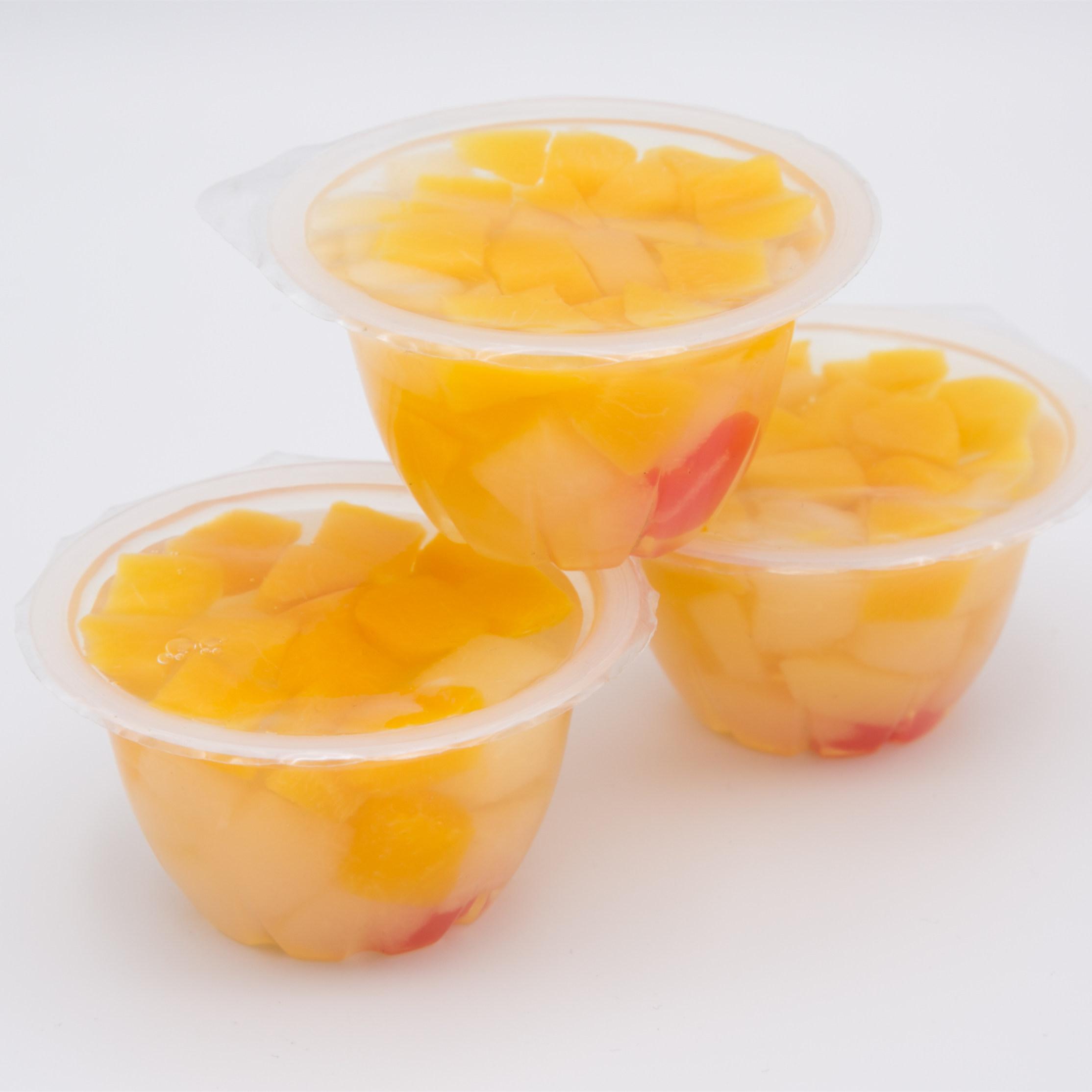
Canned cherries. Customizable appearance.
The Real Nutritional Profile: How Canned Cherries Stack Up
Let’s get specific. Nutrition varies widely based on the packing liquid. Here’s a detailed comparison per 1-cup (154g) serving of drained pitted cherries:
| Nutrient / Packing Type | Water or Juice Pack | Light Syrup | Heavy Syrup |
|---|---|---|---|
| Calories | 70–80 kcal | 120–140 kcal | 200–210 kcal |
| Total Sugars | 14–16g (natural only) | 28–32g | 50–54g |
| Added Sugars | 0g | 14–18g | 36–40g |
| Fiber | 2.5g | 2.5g | 2.5g |
| Vitamin C | ~7mg (8% DV) | ~5mg (6% DV) | ~3mg (3% DV) |
| Potassium | ~220mg | ~200mg | ~190mg |
DV = Daily Value based on a 2,000-calorie diet
Key Takeaways:
Water-packed or 100% juice-packed cherries retain nearly all the natural nutrition of fresh cherries with minimal added sugar.
Heavy syrup versions can contain more sugar than a candy bar—one cup delivers over 10 teaspoons of added sugar.
Fiber and most minerals remain stable across all types because they’re not water-soluble.
Pro Tip: Always drain and rinse canned cherries in syrup. This simple step can reduce sugar content by up to 30%.

Vibrant, glossy canned sweet cherries—ready to use in desserts, smoothies, or as a nutrient-rich topping.
Health Benefits: Why Canned Cherries Deserve a Spot in Your Pantry
Don’t let the can fool you—cherries, whether fresh or canned, are nutritional powerhouses. Here’s what the latest research (as of 2026) shows:
1. Rich in Antioxidants That Fight Inflammation
Cherries—especially tart varieties—are loaded with anthocyanins, the pigments that give them their deep red color. These compounds:
Reduce oxidative stress linked to chronic diseases
Lower markers of inflammation like C-reactive protein (CRP)
May help ease muscle soreness after exercise (studies show tart cherry juice aids recovery)
Even when canned, anthocyanins remain largely intact, particularly in water-packed versions.
2. Support Heart Health
A 2025 meta-analysis published in Nutrients confirmed that regular cherry consumption is associated with:
Improved blood pressure
Better cholesterol profiles (lower LDL, higher HDL)
Reduced arterial stiffness
The potassium in cherries helps balance sodium levels, supporting healthy circulation.
3. May Improve Sleep Quality
Cherries are one of the few natural food sources of melatonin, the sleep-regulating hormone. While levels decrease slightly during canning, water-packed tart cherries still offer a modest boost—ideal for a light evening snack.
4. Gut-Friendly Fiber
With 2.5g of fiber per serving, canned cherries contribute to daily fiber goals, promoting:
Healthy digestion
Stable blood sugar
Satiety (feeling full longer)
Unlike refined snacks, they offer real nutritional payoff.
The Sugar Problem: Separating Fact from Fear
Yes, many canned cherries are high in sugar—but not all. The narrative that “all canned fruit is unhealthy” is outdated and inaccurate.
Understanding Glycemic Impact
Fresh cherries: GI ≈ 22 (very low)
Water-packed canned cherries: GI ≈ 25–30 (still low)
Heavy syrup canned cherries: GI ≈ 55–65 (moderate to high)
For people with diabetes or insulin resistance, choosing no-sugar-added versions is crucial. Pairing even syrup-packed cherries with protein or fat (e.g., Greek yogurt) can blunt blood sugar spikes.
✅ Good News: The FDA now requires clearer labeling. Look for “No Added Sugar” or “Packed in Own Juice” on the front panel.
Fresh vs. Frozen vs. Canned: Which Is Best?
Let’s compare all forms objectively:
| Factor | Fresh Cherries | Frozen Cherries | Canned Cherries (Water Pack) |
|---|---|---|---|
| Peak Nutrition | Highest at harvest | Flash-frozen at peak | Slightly lower vitamin C |
| Shelf Life | 3–7 days | 12+ months | 2–5 years |
| Convenience | Requires washing/pitting | Ready to blend/cook | Ready-to-eat, no prep |
| Cost (Off-Season) | $5–$8/lb | $3–$5/lb | $1.50–$3/lb |
| Sustainability | High transport emissions | Energy-intensive freezing | Efficient shipping, less waste |
Verdict:
Summer: Go fresh.
Winter/Off-season: Canned (in water/juice) or frozen are excellent, affordable alternatives with comparable benefits.
Competitor Analysis: How Top Brands Measure Up
We analyzed leading canned cherry brands in the U.S. and EU markets based on sugar content, ingredient transparency, and certifications:
| Brand | Packing Liquid | Added Sugar (per ½ cup) | Certifications | Health Rating |
|---|---|---|---|---|
| Jutai Foods | Water or Light Syrup | 0g or 8g | ISO22000, BRC, HACCP, FDA, Kosher | ★★★★★ |
| Dole | Heavy Syrup | 18g | FDA compliant | ★★☆☆☆ |
| Del Monte | Light Syrup | 12g | Non-GMO Project (some lines) | ★★★☆☆ |
| Trader Joe’s | 100% Cherry Juice | 0g | Organic options available | ★★★★☆ |
| Aldi (Season’s) | Water | 0g | Basic food safety certs | ★★★★☆ |
Key Insight: Premium private labels (like Trader Joe’s and Aldi) often offer healthier options at lower prices than big national brands. Meanwhile, specialized exporters like Jutai Foods provide industrial-scale, customizable solutions with rigorous quality control—ideal for food service or private-label buyers.
How to Choose the Healthiest Canned Cherries: 5 Expert Tips
Read the Ingredient List
Ideal: “Cherries, water” or “Cherries, cherry juice.” Avoid anything with “high-fructose corn syrup,” “corn syrup,” or vague terms like “natural flavors.”Check the “Added Sugars” Line on Nutrition Facts
Aim for 0g added sugar whenever possible.Opt for BPA-Free Lining
Many modern cans use BPA-free enamel. Brands like Jutai Foods comply with EU and U.S. standards for food-contact materials.Choose Whole or Halved Over “Pie Filling”
Pie fillings often contain thickeners, artificial colors, and extra sugar.Consider Organic if Pesticide Residue Is a Concern
While canning reduces residues, organic certification ensures stricter farming practices.
Creative & Healthy Ways to Use Canned Cherries
Move beyond pie! Try these nutrient-preserving ideas:
Overnight Oats: Mix water-packed cherries with oats, chia seeds, and almond milk.
Salad Topper: Add to spinach salads with goat cheese and walnuts.
Smoothie Base: Blend with banana, Greek yogurt, and flaxseed.
Savory Glaze: Simmer drained cherries with balsamic vinegar for pork or chicken.
Frozen Treats: Puree and freeze into antioxidant-rich popsicles.
Chef’s Note: Tart canned cherries work beautifully in salsas, grain bowls, and even cocktails (think cherry mojito!).
Addressing Common Myths
Myth 1: “Canning destroys all nutrients.”
Truth: While some vitamin C is lost, fiber, potassium, and antioxidants like anthocyanins remain robust—especially in water-packed versions.
Myth 2: “Canned fruit is just junk food in disguise.”
Truth: Only true for heavy-syrup products. No-sugar-added canned fruit is recognized by the USDA and WHO as part of a healthy diet.
Myth 3: “Fresh is always better.”
Truth: Off-season “fresh” cherries may have traveled thousands of miles, losing nutrients en route. Locally canned (or frozen) can be fresher in practice.
Why Jutai Foods Stands Out in the Global Market
As a leading exporter based in Qingdao, China, Jutai Foods Group Limited combines agricultural control with advanced food safety systems to deliver premium canned cherries worldwide.
Our Commitment to Quality:
Vertically Integrated Supply Chain: From our own orchards to state-of-the-art processing labs, we oversee every step.
Global Certifications: ISO22000, BRC, HACCP, U.S. FDA, and Kosher ensure compliance with the strictest international standards.
Custom Solutions: We offer OEM labeling, LCL mixed-container loading, and market analysis for retailers and distributors.
Sustainability Focus: Efficient port logistics in Qingdao reduce carbon footprint and costs.
With annual sales exceeding 20,000 tons and exports to 80+ countries, we prioritize consistent quality over volume. Whether you need bulk supplies for supermarkets or private-label products for health brands, we tailor our offerings to your market’s needs.
Did You Know? Canned cherries from certified producers like Jutai Foods often undergo fewer chemical treatments than fresh imports, which require post-harvest fungicides for long-distance shipping.
Final Verdict: Are Canned Cherries Good for You?
Yes—with smart choices.
Canned cherries packed in water or 100% juice are a nutritious, affordable, and sustainable way to enjoy fruit year-round. They deliver antioxidants, fiber, and essential vitamins with minimal drawbacks.
However, heavy-syrup versions should be treated as occasional treats, not daily staples—especially for those managing diabetes, weight, or heart health.
By reading labels, rinsing when needed, and choosing reputable brands (like those adhering to global food safety standards), you can confidently include canned cherries in a balanced 2026 diet.
Your Next Step
Looking for reliable, high-quality canned cherries for retail, food service, or private labeling?
Jutai Foods Group Limited offers:
Custom packaging and branding (OEM)
Flexible shipping (LCL or FCL)
Market-specific product development
Full documentation for EU, U.S., and global compliance
Based in Qingdao, China—with seamless port access for fast, low-cost export.
Contact us today for samples and pricing. We guarantee a response within 24 hours.
Because good health starts with good ingredients—and great partnerships.